Ants in the garden raise strong opinions. Some gardeners swear they are harmless, even helpful, while others blame them for every chewed petal and collapsing mound. The truth sits somewhere in between. Ants aerate soil and clean up detritus, yet certain species disturb root zones, protect sap-feeding pests like aphids, and even tunnel into raised beds until they look like sifters full of dry flour. If you want a healthy landscape, you do not need a sterile, ant-free yard. You need thoughtful ant control that protects plants and soil without turning your garden into a chemical experiment.
Why ants show up where you do not want them
Most garden ant problems start with food and microclimate. Colonies expand where carbohydrates and protein are easy to find. Honeydew from aphids, scales, and mealybugs fuels worker activity on roses, citrus, hibiscus, and vegetable beds. Dead insects, dropped pet food, compost, and even flower nectar provide calories. The shaded, evenly moist conditions under drip irrigation line or mulch make perfect nesting zones.
I have lifted irrigation flags and found brood chambers stacked like apartments, from the surface to six inches down, all because a slow leak kept one strip of soil damp. I have also opened the lid of a worm bin and been greeted by a bustling network of workers tending their own herds of springtails and collecting protein. Ants move in when the habitat suits them.
The risk to plants and soil health
The direct damage from most common garden ants is modest. They do not typically chew leaves or roots. The real problem is the way they engineer the ecosystem. When ants defend aphids and soft scales, honeydew populations balloon and plant vigor suffers. Sooty mold follows, blackening leaves and blocking light. I once tracked a recurring failure of young kale transplants to stunted growth on a community plot. The soil looked fine, pH was acceptable, and nutrients were within range. The hidden factor was a thick aphid colony on the underside of the bed’s brassicas guarded by pavement ants. Once we broke that ant-aphid partnership, the kale bounced back in two weeks.
Ant excavation can also reduce soil cohesion in raised beds and containers. Fine-textured potting mixes collapse, causing uneven watering and hydrophobic pockets that repel moisture. Fire ants and similar species create mounds that smother low seedlings and can deliver venomous stings. In tree basins, ants undermine moisture consistency around feeder roots. In lawns, heavy tunneling exposes crowns, and during drought the sward browns out faster.
There is a broader ecological knock-on effect too. Ant predation on butterfly larvae, ground beetles, and beneficial solitary bees can reduce biodiversity. On the flip side, some ants prey on fly maggots and certain moth eggs. The point is not to panic, but to diagnose correctly and target pressure, not annihilate the entire ant community.
Start with identification and mapping
The first step in ant control is figuring out which ant you have and where it lives. Argentine ants, pavement ants, odorous house ants, and carpenter ants behave differently. Argentine ants form supercolonies with many queens, spreading thin lines along irrigation edges. Pavement ants favor compacted soil and stone borders. Odorous house ants love honeydew and will shift nests frequently. Carpenter ants do not eat wood, but they excavate it, including in garden timbers and shed framing. Fire ants prefer sun-baked ground, often colonizing the edges of vegetable rows and lawns.
Trail mapping is the most valuable five minutes you can spend. Watch where workers come from and where they go. Pinch off a few to check size and smell, and follow lines to water sources and honeydew zones. If you gently disturb the soil near a suspected nest and see pale larvae, you have found brood, which tells you baiting and treatment there will matter.
A simple field checklist for gardeners
- Identify the ant to the closest group: Argentine, pavement, odorous house, carpenter, or fire ant. Track trails at two times of day, late morning and early evening, to catch peak foraging. Note moisture sources: emitters, hoses, birdbaths, and low points in drip lines. Inspect plants with sticky leaves or sooty mold for aphids and scales. Probe mulch and edges of hardscape for shallow brood chambers.
You do not need to achieve entomologist-level certainty. Good pattern recognition usually guides the right control choice.
The aphid connection, and why it matters more than bait brand
In gardens where ants farm honeydew, you can set the best bait in the world and still chase trails for months if you leave the sap-suckers untouched. Honeydew is gasoline for ant colonies. In spring, when aphids explode on tender growth, ants commit to defending them. They will move queens if needed to stay near this resource. Reduce honeydew, and ants become more receptive to carbohydrate baits, and their territory shrinks.
On ornamentals, a strong stream of water every few days knocks down aphids without residue. Horticultural oils at label rates smother both aphids and soft scales. On vegetables, timing is everything. Treat early, before lady beetle larvae and lacewings arrive, or use selective soaps to spare predators. Once honeydew is controlled, ants begin to forage more broadly and take baits more readily. If you only treat ants and ignore their livestock, expect a seesaw.
Baits beat sprays in most garden settings
Contact sprays satisfy a certain impulse, but they rarely solve a garden ant problem. Workers you see are a tiny fraction of the colony. The brood and queens are the engine. To reach them, you need slow-acting active ingredients carried by workers into the nest and passed mouth to mouth. Proper bait choice hinges on the season and the ant’s current diet.
In cool spring weather when colonies crave carbs, liquid or gel baits with low percentage borates work well. In hotter months or when ants seek protein, granular baits that include oils or fats outperform sweets. Avoid putting baits directly in irrigation splash or where pets and beneficials have access. Set several small placements along trails rather than one big dollop, and refresh them frequently. If the bait sits untouched for two hours during peak activity, you have the wrong flavor or wrong spot.
A tidy stepwise baiting plan that works
- Choose a bait type that matches the season’s diet: sweet in spring, protein mid to late summer. Place small amounts every 3 to 6 feet along active trails and near, not on, nests. Keep baits dry and shaded, and replace at the first sign of drying or mold. Pair baiting with honeydew suppression on host plants. Monitor daily for a week, then weekly, and re-bait only where trails persist.
For heavy Argentine ant pressure, rotate between two bait actives across weeks to prevent bait aversion. Do not oversaturate. A little fresh bait beats a mound of stale paste.
Water, mulch, and the physics of ant habitat
Most gardens suffer more from overwatering than underwatering. Ants exploit that. A drip emitter that leaks into one corner of a bed becomes a year-round spa. Fix it, and you dry out the condo. Similarly, soggy mulch can shelter multiple satellite nests, especially where weed cloth traps moisture. If you can squeeze mulch in your fist and it clumps like a brownie, it is inviting ant real estate. Thin it to two inches, and keep it pulled back from plant crowns.
Container gardens tell the story even more clearly. Ants move in when potting mix becomes a stratified cake. Rejuvenate containers each season by blending in coarse material for structure and by watering deep and less often. Set ant control pots on risers to discourage nesting under saucers. In raised beds, break up hydrophobic pockets with a watering wand set to a gentle shower. Ants hate disruption to their tunnels. You do not need to destroy every chamber, only make the nest less stable and predictable.

Mechanical controls that actually contribute
Boiling water kills ants. It also kills plant roots and microorganisms. Use it only on hardscape cracks far from desirable roots, and expect to repeat treatments. Diatomaceous earth can reduce surface traffic, but in humid climates it clumps and forms a stubborn paste, and you need to refresh it after every irrigation or rain. In practice, I use it sparingly, as a barrier around hive boxes or small nursery pots, not as a bed-wide blanket.
Sticky barriers help protect trunks of fruit trees where ants climb to farm honeydew. Apply a band of horticultural tape, then the sticky compound, and refresh monthly during peak ant season. Keep weeds and twigs trimmed so they do not bridge the barrier. On shrubs, prune touching branches to break scaffolding. These small steps do not eliminate ants, but they shift the energy balance against them.
Soil health first, chemical controls second
Healthy soil resists pest swings. Organic matter around 4 to 6 percent, balanced irrigation, and living roots through most of the year keep predator communities diverse. Where I have seen runaway ant activity, there were usually additional stressors: compacted beds, shallow watering, or a narrow crop rotation. A cover crop like buckwheat in summer or a clover mix in cool seasons attracts beneficial insects and disrupts ant foraging patterns. Tillage can temporarily scatter nests, but it also harms soil structure. If you till, do it deliberately and not as an ant tactic.
When you do reach for chemical tools beyond baits, use precision. Perimeter granules around the outer edge of beds can intercept scouting ants before they reach the interior, but they should not be a routine crutch. Spot-treat mounds away from roots with non-repellent actives that allow transfer within the colony. Repellent sprays produce dramatic knockdowns on contact, then push ants sideways into new spots, often indoors.
How Domination Extermination diagnoses garden ant problems
Good pest control starts with inspection, not application. In our work with gardens and small farms, a Domination Extermination technician spends most of the first visit walking the site with the client. We look at irrigation timing, mulch depth, plant species with honeydew risk, and the way hardscape meets soil. We ask when the trails are busiest and where people or pets frequent. A 15 minute conversation often uncovers an overwatered zone or a compost bin tucked against a fence that functions as a protein buffet.
We then pick two or three focal treatments rather than spreading effort thin. One, we suppress honeydew where it matters most, often on host plants that anchor the ant network. Two, we set baits matched to what workers are actually collecting that week. Three, we tweak habitat by fixing a leak or lifting a pot. The effect is cumulative. Most clients notice a decline in visible trails within 3 to 7 days, with steadier relief in the second week.
A case from a raised-bed vegetable garden
A home gardener called after watching ants turn her cedar beds into dusty tunnels. Carrots forked or failed, and her lettuce browned early at the edges. She had tried cinnamon, coffee grounds, and soapy water. None of it held. On inspection, we found Argentine ants trailing between a rosemary hedge and the beds, drawn by aphids on the kale and a slow, silent drip at the hose bib. The mulch sat four inches deep and had matted into a sponge.
We thinned mulch to two inches, pruned rosemary that bridged the bed, and repaired the leak. We washed aphids off the kale and treated the undersides with a labeled soap. We placed small droplets of low percentage borate gel along the trail in shade, then rotated to a protein bait a week later when activity dipped. Within ten days, the tunnels collapsed. The carrots in the next succession came up clean and straight. The client kept up with weekly kale rinses and saw only scattered ant foragers that did not settle in.
Outdoor ants and indoor spillover
When garden ant pressure spikes, trails often turn toward the house. Ant control outside is a first line of defense for indoor comfort. Pavement ants that nest under pavers and curbs march to patio tables and into kitchens through microcracks. Odorous house ants move nests every few days, establishing in potted plants, then inside wall voids. If you are also managing rodent control or spider control for the same property, ant-friendly food sources add complexity. For instance, spilled birdseed invites both rodents and ants, and sticky residues under outdoor grills attract roaches and ants that, in turn, draw orb weavers. Coordinating these pressures matters. Reducing outdoor carbohydrate and protein sources helps all of them.
What about fire ants, carpenter ants, and timber damage
Fire ants need decisive mound treatments plus habitat change. Baits applied broadly, followed by targeted non-repellent drenches on active mounds away from root zones, usually achieve better results than repeated boiling water or repellent sprays. In turf, overseeding and proper irrigation reduce bare hot patches that fire ants favor.
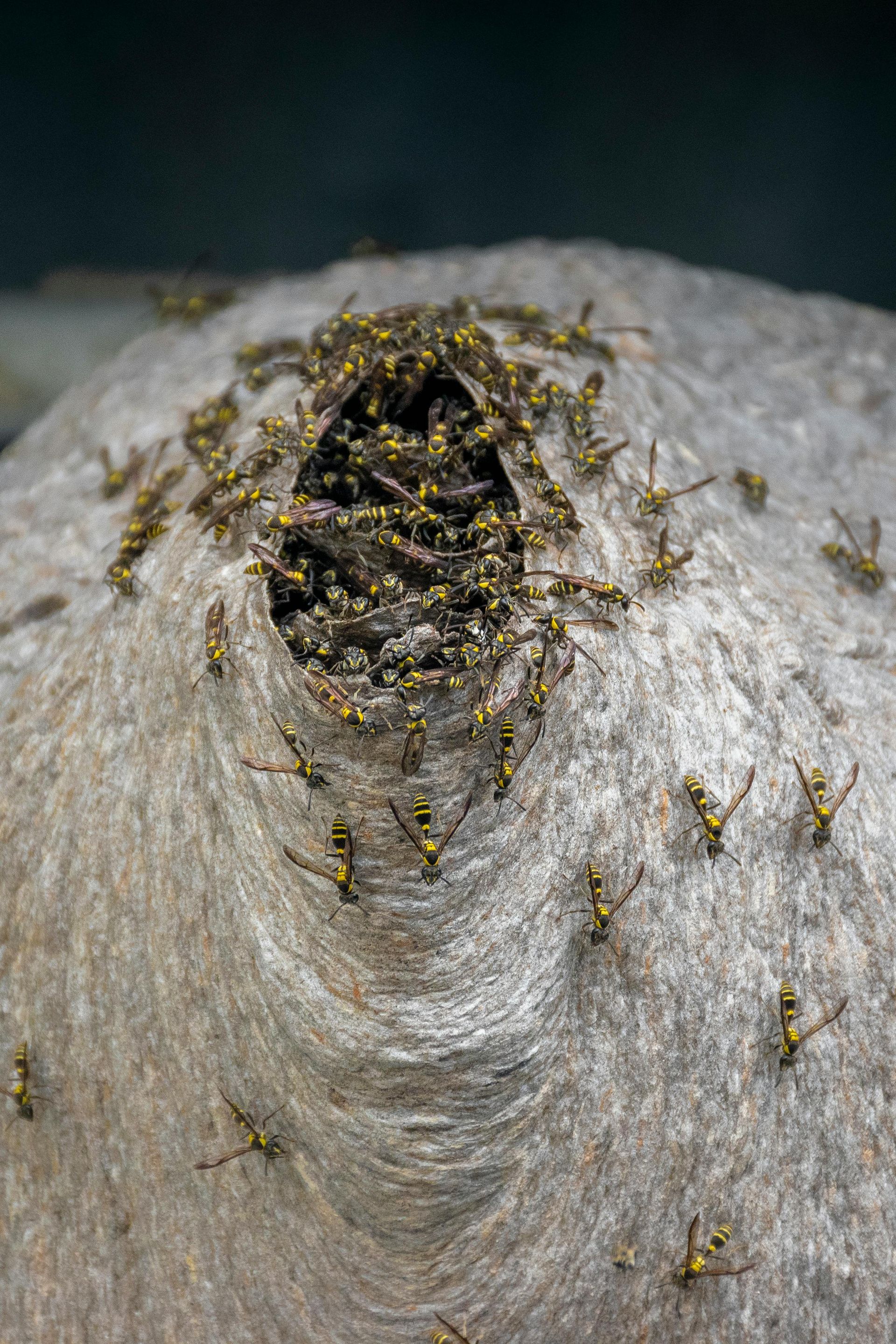
Carpenter ants will colonize garden timbers, fence posts, and even the sill plate of a shed. They excavate moist, decaying wood and throw out sawdust-like frass. If you find them in structural wood, treat it like light termite control logic: correct moisture, remove softened material, and apply non-repellent transfers that reach the colony. Spraying the surface repels without solving the nest. If you are also working on carpenter bees control for ornamental timbers, coordinate treatments and wood repairs so you do not seal in moisture or create fresh entry points.
How different control categories fit together
Gardeners often ask how ant control interacts with bee and wasp control, mosquito control, or bed bug control. The short answer: each has its own logic. The longer answer: ants intersect with several. Sticky trunk barriers for ants on fruit trees can interfere with ground-nesting solitary bees if applied carelessly at the base, so protect soil around trunks. Mosquito control tends to reduce standing water, which also removes some ant drinking stations, subtly shifting foraging. Bed bug control is separate, primarily indoor, but I have seen misapplied outdoor insecticides used for ants that later complicated indoor residual strategies. Cricket control in garages and sheds sometimes uses perimeter sprays that repel ants sideways toward the garden. Coordination beats overlayering products.
Working with Domination Extermination: when DIY is not enough
Most gardeners can handle light ant pressure with careful baiting and plant care. Dense supercolonies, recurring aphid blooms, or fire ant mounds near play areas demand more structure. When we step in, Domination Extermination keeps the garden’s rhythm in mind. That might mean scheduling bait placements between pollinator flights on a sunny weekend, or coordinating with a pruning day to open canopies and remove aphid-laden shoots. We also track seasonal diet shifts so baits stay interesting to the colony. The goal is steady reduction, not a single heavy-handed treatment that bounces the problem elsewhere.
We document a simple plan the homeowner can continue: which host plants to watch for honeydew, how to adjust watering on specific zones, where to refresh baits if trails reappear. The best outcomes come when clients own these small steps. Over a season, ant activity settles to a background hum that the garden easily absorbs.
Safety, pets, and pollinators
Any pest control in a garden bumps into concerns about kids, pets, and beneficial insects. Baits used correctly are among the lowest-risk tools because they target foraging trails and require only milligrams of active ingredient. Keep placements out of reach and sheltered. Choose actives and formulations that minimize non-target contact. Avoid dusts and broad foliar sprays during bloom, and prefer early morning or late evening applications when pollinators are inactive. Where possible, use plant-specific tactics like washing aphids off with water rather than broadcasting soap over a border full of hoverflies.
If you keep backyard chickens or have a dog that investigates everything, use tamper-resistant bait stations outdoors. For cats, common sense placing under benches or behind planters usually suffices. Label directions exist for a reason, and home remedies are not automatically safer. Essential oil concentrates can burn leaves and irritate skin. Vinegar desiccates tender foliage and does little to a mature ant colony.
Reading ant behavior as feedback
Ants are honest messengers. When baits go untouched, they are telling you the menu is wrong or the path is off. When trails increase after irrigation changes, they are telling you you have shifted moisture in a way they like. When they return to a plant a week after washing aphids, they are telling you the population is back. Use that feedback. Keep a pocket notebook or a phone note with three columns: what you did, where you did it, and what you saw next. Patterns appear quickly.

In my own beds, I noticed ants using a lilac as a ladder to a shade sail, then dropping into a strawberry planter from above. The bait at the base never got touched. Once I clipped the branch and moved the planter six inches, the colony quit the route in a day. Control often hides in that kind of small adjustment.
When ants are not the villain
Sometimes the best ant control is restraint. If you have a robust predator community and the ants are not tending honeydew, they can be net helpful, cleaning up weak larvae and scavenging small carcasses. In perennial borders with thick root systems and steady moisture, light ant activity may equate to better soil porosity. Killing every nest you see can invite secondary pests to move into the vacuum. Aim for balance. If the ants are not protecting sap-feeders, biting people, or undermining root balls, consider letting them be.
Putting it together, season by season
Early spring asks you to scout. Look for the first aphids, sticky residue, and the earliest ant trails. Use sweet baits sparingly, wash honeydew, and adjust mulch and water. By mid to late summer, pivot to protein baits if trails persist and keep an eye on heat-stressed beds where ants might move brood upward. In fall, tidy the habitat. Prune crossing limbs, thin mulch, and store feed and seed in sealed bins so you do not set the table for winter foraging. In winter, repair leaks, service irrigation, and plan crop rotations that make the garden less predictable.
Good ant control is not a war, it is gardening with attention. Your plants and soil respond well to that kind of care, and the ants learn to make their living at the edges rather than in the heart of your beds. When the balance tips too far, thoughtful use of baits, protection of beneficials, and, when needed, the structured approach we use at Domination Extermination bring it back without harming the garden you have built.
Domination Extermination
10 Westwood Dr, Mantua Township, NJ 08051
(856) 633-0304